
Blood tests for Alzheimer's are moving fast, and more FAD families are asking what results actually mean.
Join us for a live workshop with researchers Dr. Eric McDade and Dr. Suzanne Schindler, alongside FAD community members Phil and Marty, moderated by Youngtimers co-founder Lindsay.
We'll cover what markers like p-tau217, NfL, and GFAP can and can't tell you, plus the real experience of deciding whether to test and living with the results.
Submit any questions in advance to courtney@youngtimers.org.
About this event
Wednesday November 4, 2026 at 9AM Central (CST)
That's 10AM Eastern (EST), 8AM Mountain (MST), or 7AM Pacific (PST).. Convert to other time zones.
Blood tests for Alzheimer's disease are moving fast, and more families in the FAD community are asking whether they should get one, what the results actually mean, and how to talk about them with a doctor or genetic counselor. This workshop brings together researchers Dr. Eric McDade and Dr. Suzanne Schindler with FAD community members Phil and Marty, to walk through what blood-based biomarkers can and can't tell us. The conversation is moderated by Youngtimers Co-Founder & Executive Director Lindsay.
We'll talk through how markers like p-tau217, NfL, and GFAP are being used to understand where someone may be in the disease process, why FAD is different from the sporadic Alzheimer's populations most commercial tests were built for, and why a single test result is rarely the full story. Just as important, Phil and Marty will share what it's actually like to decide whether to test, to wait for results, and to make sense of what they mean for daily life.
This conversation is tailored to anyone who is a mutation carrier, weighing whether to test, waiting on results, or supporting a family member through it. It is educational, not medical advice, and there will be time for audience questions.
Meet the panelists
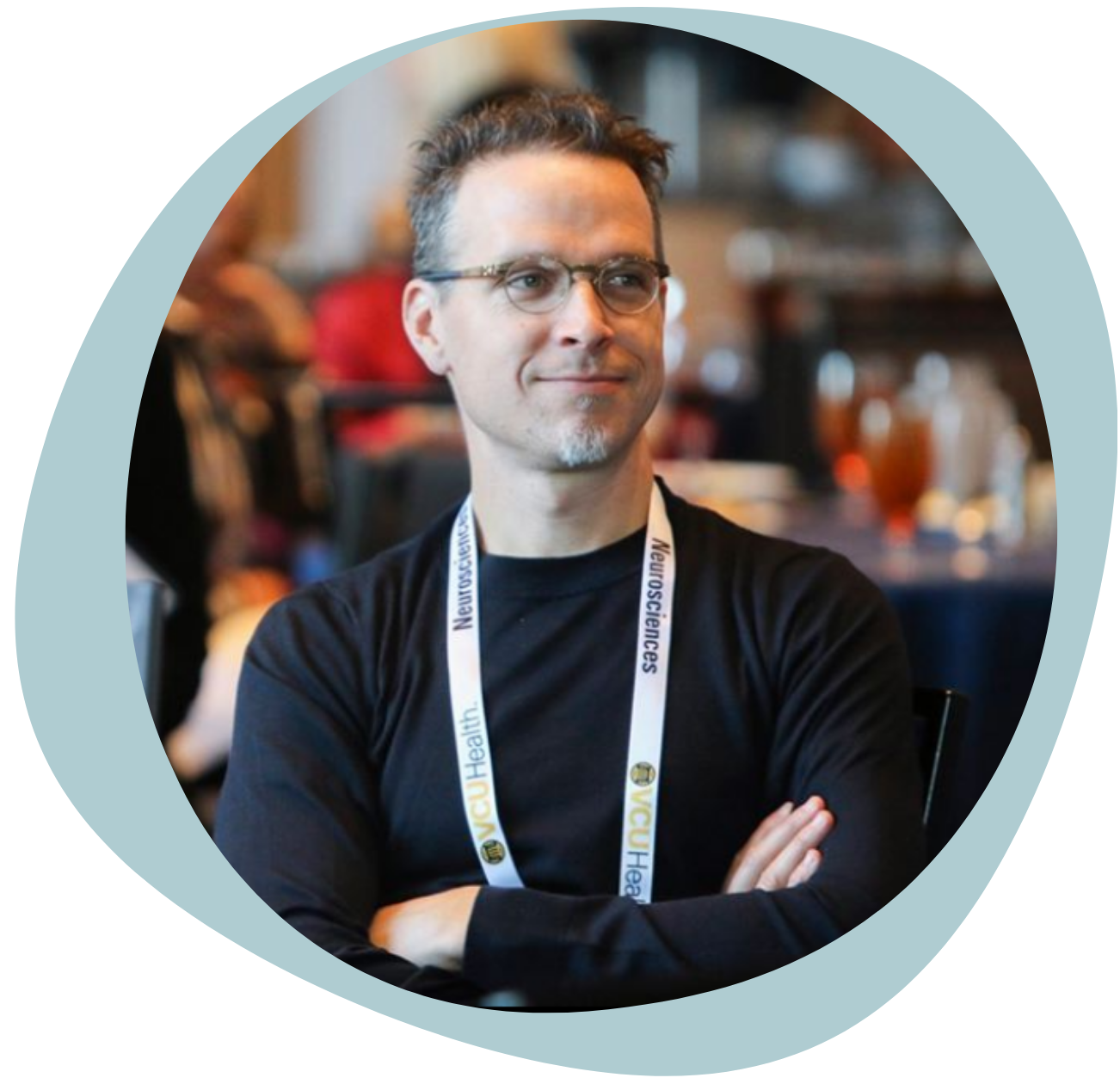
Dr. Eric McDade, DO
Dr. Eric McDade DO, Professor of Neurology at Washington University School of Medicine in St. Louis, board certified in neurology and behavioral neurology. His research uses neuroimaging and cerebrospinal fluid analysis to identify early markers of dementia, with a particular focus on familial dementia syndromes, prevention, and clinical trials.
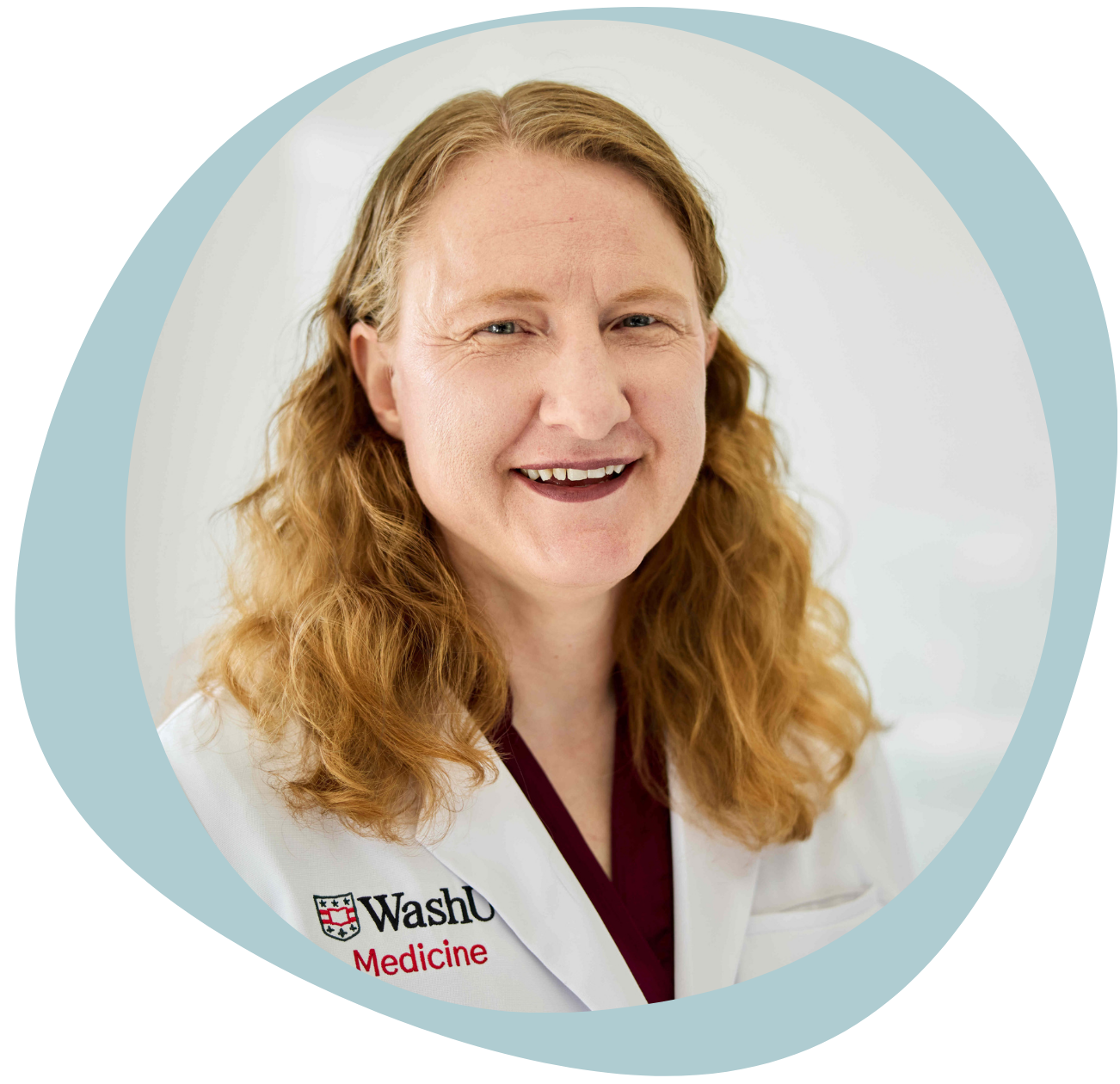
Dr. Suzanne E. Schindler, MD, PhD
Dr. Suzanne E. Schindler, M.D., Ph.D., is a clinical neurologist and neuroscientist dedicated to advancing the diagnosis and treatment of Alzheimer’s disease. She cares for patients with memory concerns at the Washington University Memory Diagnostic Center, where she also coordinates the collection and analysis of real-world data on Alzheimer’s biomarkers and amyloid-targeted therapies. Dr. Schindler leads the Fluid Biomarker Core of the Knight Alzheimer’s Disease Research Center and has facilitated numerous collaborative studies, including those that developed and validated some of the first clinically available blood tests for Alzheimer’s disease pathology. She has evaluated the generalizability of AD biomarkers across diverse groups, led head-to-head comparisons of Alzheimer’s blood tests, studied the timing of key events in the disease, and co-led the creation of consensus recommendations for the performance of clinical Alzheimer’s blood tests. An active educator, she trains clinicians on integrating Alzheimer’s biomarkers into their evaluation of patients with cognitive impairment.
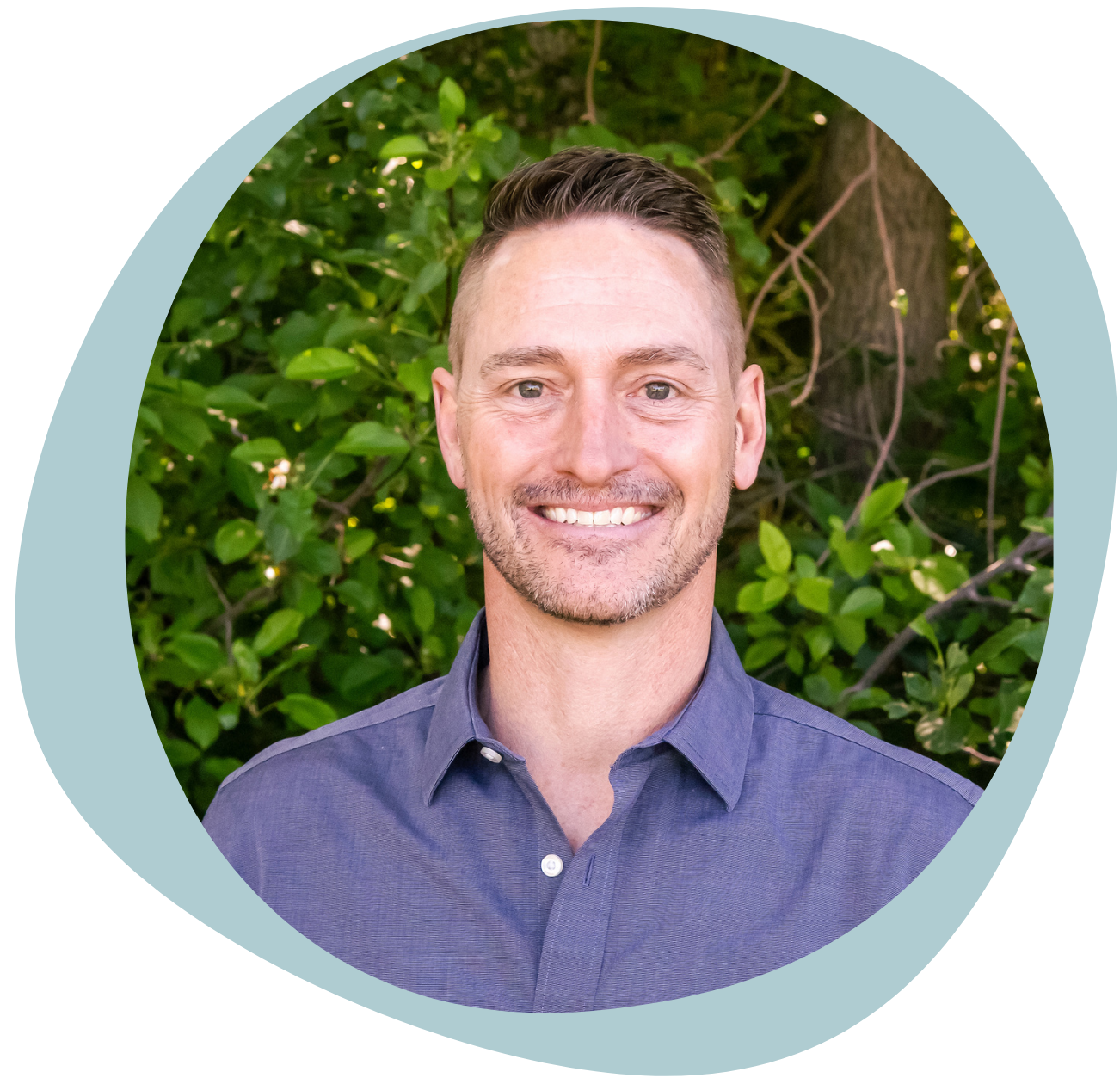
Marty
Marty is a co-founder of Youngtimers and one of the initiators of the private DIAD Facebook group. He has become one of the most recognizable voices in the familial Alzheimer's community. His Denver-based family is one of only a few hundred known worldwide to carry the PSEN2 mutation, which has affected his grandfather, his uncle, and his father. Marty was among the first nine people to enroll in DIAN, and he has participated in DIAN research for well over a decade, including the treatment trials. He has spoken at the World Dementia Council and been featured in Nature, CBS News, and Being Patient, where he writes and speaks about living with genetic certainty without letting it define the life he builds.
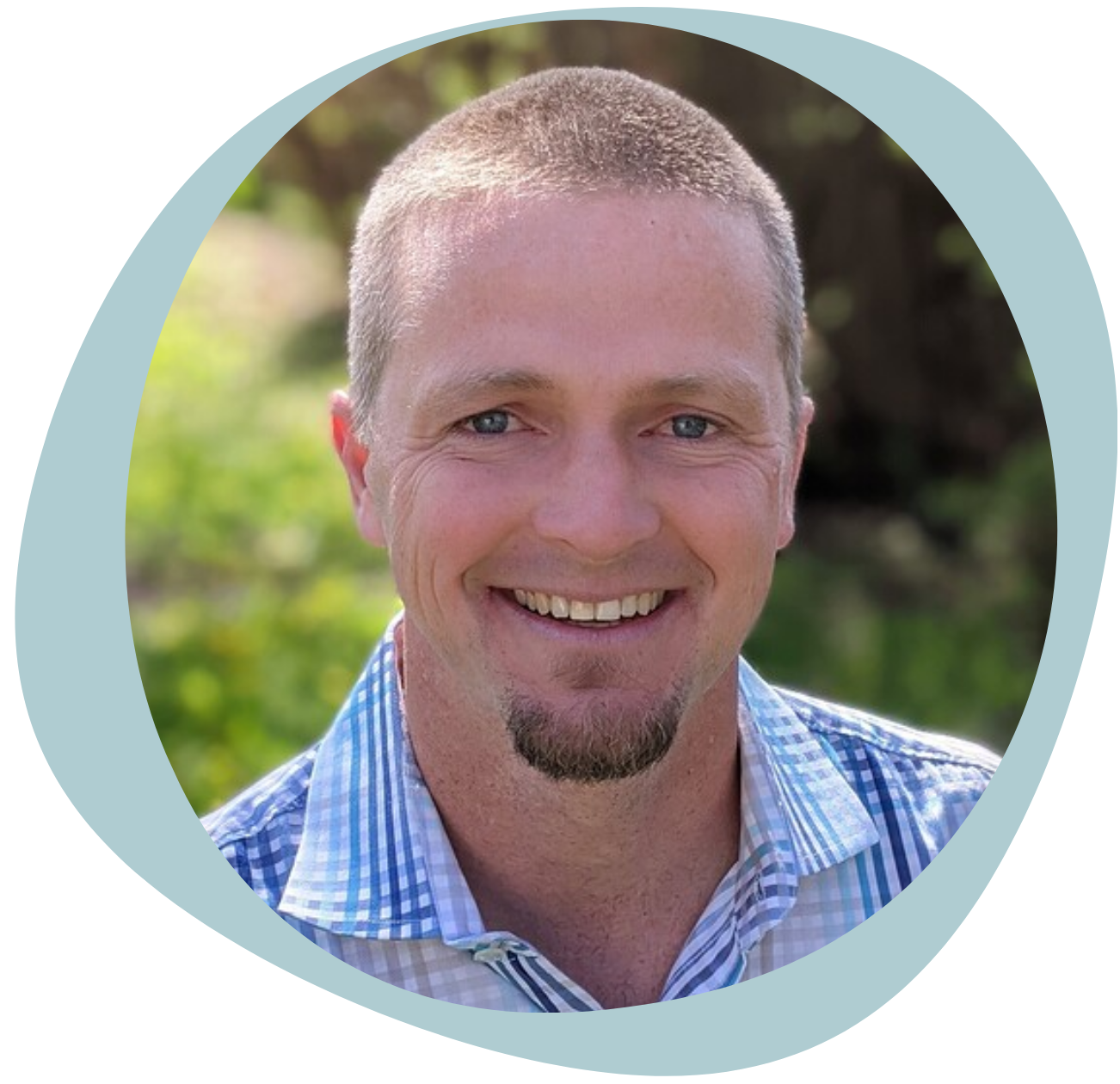
Phil
Phil is a Youngtimers board member and volunteer who has been a participant in Alzheimer's research for 27 years. He writes the monthly research summaries for the Youngtimers newsletter, which puts him in the position of tracking the field closely and translating it for families. He also co-facilitates the clinical trials support group and peer-to-peer program. Like many in our community, he has watched family members face the disease while he followed the research intently, and he brings both of those perspectives to the conversation.
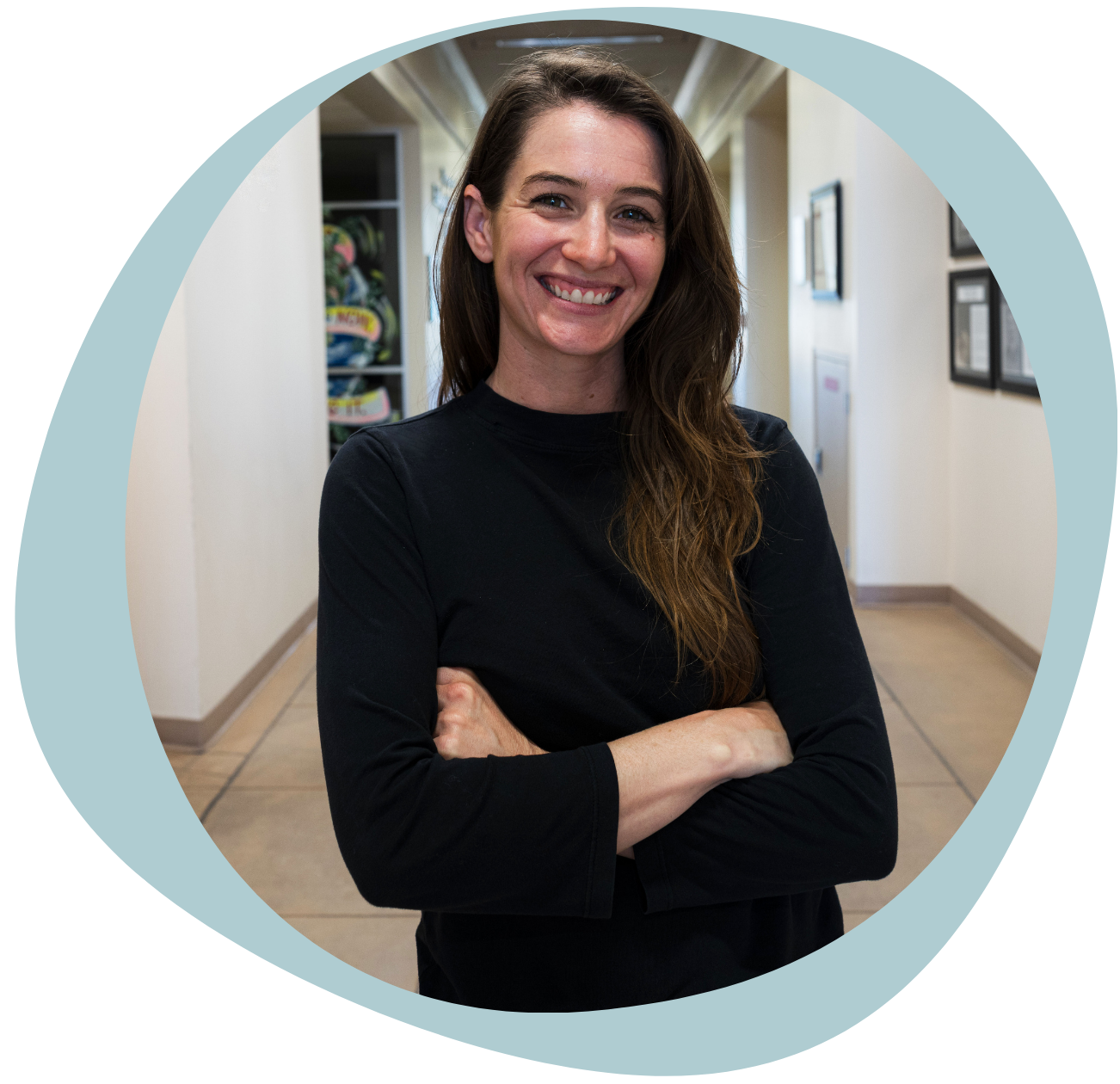
Lindsay Hohsfield, PhD (moderator)
Dr. Lindsay Hohsfield is the co-founder and Executive Director of Youngtimers and a Research Group Leader at the Medical University of Innsbruck, where she holds an APART-USA Fellowship from the Austrian Academy of Sciences. With nearly 20 years in Alzheimer's research, her work runs along two tracks: the neuroimmunology of Alzheimer's, including her 2025 identification of a novel route for immune cells to enter the brain, and the clinical realities facing families with familial Alzheimer's disease, particularly how genetic certainty and barriers to trial access shape decisions about research participation. She spent eleven years at UC Irvine before moving to Innsbruck and holds a PhD in neuroscience.
Who should attend this event?
This conversation is open to family members as well as Alzheimer’s professionals in the familial Alzheimer’s disease community The event will be recorded for those who aren’t able to make it.