We support people impacted by familial Alzheimer’s disease with community, education and advocacy. |
|
|
Hi there,
As we close out 2025, it’s worth taking a clear look at what this community has accomplished together over the past year.
Youngtimers launched a new website that reflects who we are and what families need. We celebrated our first hire, Courtney—an important step toward sustaining the work instead of relying solely on volunteer bandwidth. We hosted a listening session with the FDA to ensure the voices of FAD families are heard where it matters. Our support groups ran nearly every month, about 48 sessions in total. More than 100 new people joined our email list. And we secured two major funding commitments that give us momentum heading into 2026.
We also brought people together in more ways than ever before. Events this year included in person events like the Family Conference Family Reception, the Community Breakfast and Toronto Walking Tour, as well as practical virtual workshops such as “Ask Me Anything” with Lisa Genova, Taking Action: How to Speak to the Media and Host a Fundraising Event, Estate Planning for Familial Alzheimer's Disease, and Planning for Care in Familial Alzheimer’s Disease. Each gathering—big or small—helped people feel understood, less alone, and better equipped to navigate life with or around a familial Alzheimer’s mutation.
None of this progress happened in isolation. It came from members showing up, sharing their stories, volunteering their time, and supporting one another. As we head into a new year, we remain committed to creating a community that is honest, steady, and deeply rooted in lived experience.
If you’re in a position to contribute before the year ends, know that every penny helps! Every donation, large or small, strengthens the programs and support families rely on. Donate here.
No matter what, we're glad you found Youngtimers. In 2026, we look forward to building on this momentum, to continue serving families impacted by FAD in ways that matter. If you have a moment, I'd love to hear from you about what you'd like to see us accomplish in the new year. Send me an email!
|
|
|
|
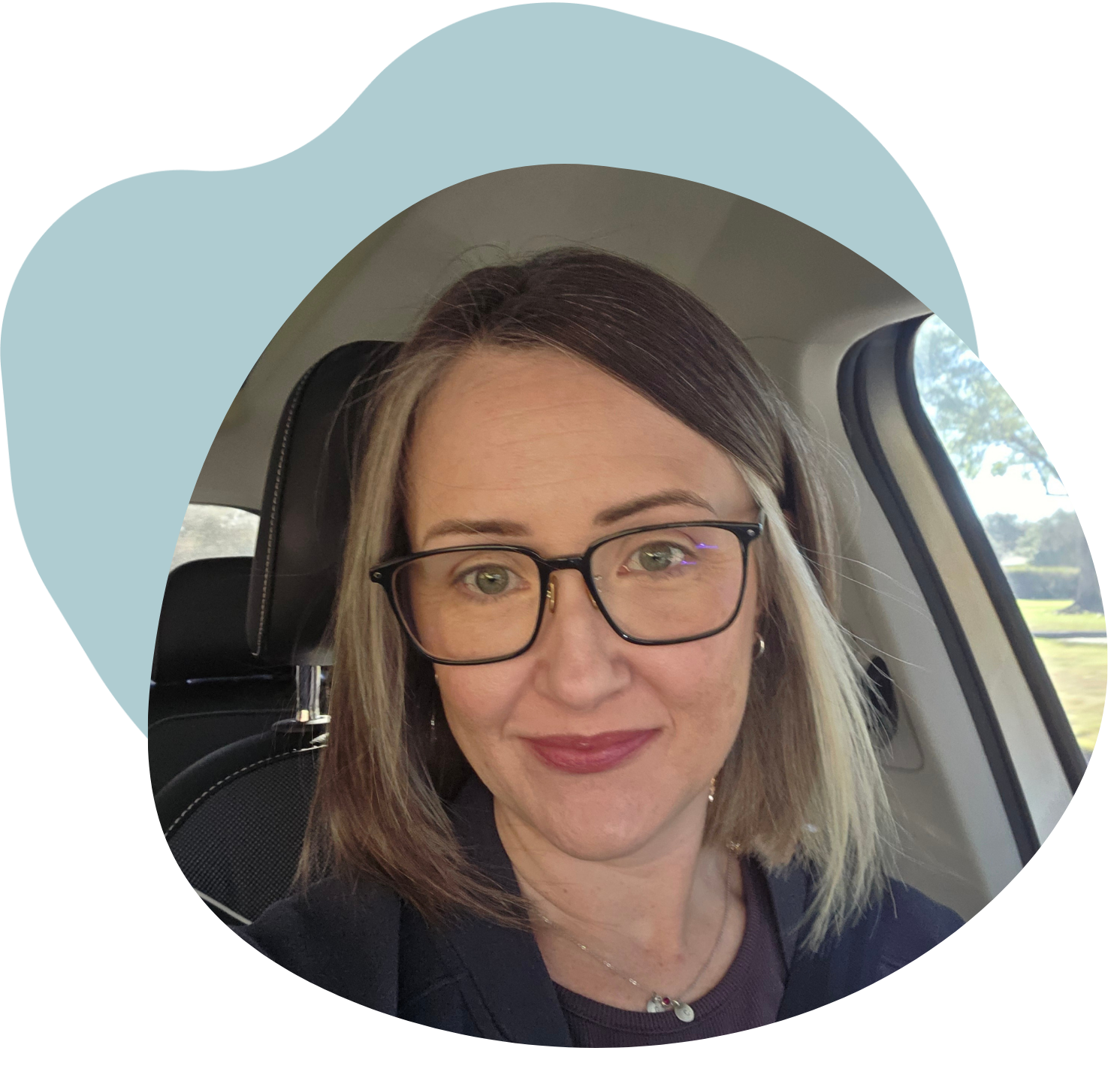
Erin Young Volunteer & Board Member |
|
|
Fri, January 23, 2026 at 11am CT | 12pm ET | 9am PT (US)
Join us for this practical, informative workshop on everyday habits that support cognitive function. Hosted by Edmarie Guzmán-Vélez, PhD, this educational session will discuss factors that increase or reduce a person’s risk for Alzheimer's disease, and what those factors mean for people with genetic mutations that cause familial Alzheimer’s disease. |
Younger Onset Dementia: Unique Challenges Families Experience & Community That Empowers |
Thursday, December 18, 2025 at 12pm CT
Learn about the unique challenges families face when Younger-Onset Dementia appears before age 65 at this Knight ADRC virtual 3rd Thursday event. This session will highlight the impact on family life, work, and the experiences of children and young adults. Patti LaFleur from Lorenzo’s House will share how their global programs provide connection, resources, and empowerment for families navigating YOD. |
|
|
Mental Health Counseling for DIAN Study Participants |
DIAN is now offering supportive, mental health counseling sessions to eligible study participants. This added support is designed to help individuals and families navigate the emotional and practical challenges that can accompany participation in the studies. Study participants should contact their site coordinator for more information and to request a referral. General questions can be directed to the DIAN Expanded Registry at dianexr@wustl.edu.
|
|
|
Caregivers (All Stages): Sat, Dec 20 at 12pm CT (US) At-Risk/Asymptomatic: Sun, Dec 21 at 2pm CT (US) Symptomatic: Wed, Dec 31 at 4:30pm CT (US) Caregivers (Early Stage): Tue, Dec 16 at 3pm CT (US) |
| |
|
For more options, visit our support group page. It includes support groups from other organizations, such as a Spanish-speaking support group and groups for teens and young adults. |
|
|
“This group is unique with everyone having an opportunity to talk. No pressure and flat out honesty. Feels sad, special and hopeful. I learn something new each meeting.” |
- Youngtimers Support Group Attendee |
|
|
Kosmos is a new AI system that can spend 12 hours at a time reading ~1,500 papers, running analyses, and writing code to generate testable scientific hypotheses, including in neuroscience and neurodegeneration. In Alzheimer’s research, tools like this can shorten the time from raw data to new targets, biomarkers, or trial ideas—though it still requires careful human oversight to catch false leads. (Alz Forum) |
|
|
Anti-amyloid and anti-tau drugs, combined with blood and imaging biomarkers, are being tested on many different fronts to delay or prevent Alzheimer’s before symptoms appear. With it come challenging questions about who to treat, when to start, how long to continue, and how to keep prevention affordable and equitable. (Nature Reviews Neurology) |
|
|
In over 11,000 people with either normal cognition or MCI, this study found no strong, consistent associations between most lifestyle factors and amyloid build-up in the brain. The one clear signal was that people with normal cognition who frequently engaged in mentally stimulating activities were modestly less likely to be amyloid-positive, while the rest of the lifestyle measures showed little to no relationship with amyloid. **note: this study looked at amyloid, but not cognitive function. (Journal of Alzheimer's Disease)
|
|
|
The Alzheimer’s Foundation of America is now accepting applications for its 2026 Teen Alzheimer’s Awareness Scholarship. High-school seniors can submit an essay or video about how Alzheimer’s has impacted their lives for a chance to earn scholarship support. Applications are being accepted through March 2026. |
|
|
QUOTE
"When we finally look at horror and joy, birth and death, gain and loss, things, with an equal heart and open mind, there arises a most beautiful and profound equanimity"
- Jack Kornfield |
| |
|
Alzheimer's Research Opportunities |
|
|
Dr. Suzee Lee at UCSF is interested in understanding brain development in children from families with a history of Alzheimer’s disease. If you’re interested, contact the study coordinator at familyNDstudy@ucsf.edu. |
| |
|
The Dominantly Inherited Alzheimer Network (DIAN) is currently recruiting people who carry or may carry an FAD mutation to better study the disease and brain changes over time. If you’re interested, contact dianexr@wustl.edu. |
|
|
The DIAN-Trials Unit (DIAN-TU) is now enrolling participants who are -25 to -11 years from their predicted age of Alzheimer's cognitive symptom onset to test a study drug (remternetug) for effectiveness in delaying or preventing Alzheimer disease. If you’re interested, contact dianexr@wustl.edu. |
|
|
You are being sent this email because you are a subscriber.
If you wish to update your Email Preferences or Unsubscribe, click *{{Unsubscribe}}* |
|
|
|