We support people impacted by familial Alzheimer’s disease with community, education and advocacy. |
|
|
Hi there ,
As November unfolds and our attention in the U.S. turns toward Thanksgiving, I find myself reflecting on how deeply connected we all are—how much we gain when we share, listen, and learn from one another.
Throughout history, people have turned to plants for support and healing: indigenous traditions brewed rosemary in teas to enhance memory and focus, a practice that, unknown to them, introduced rosmarinic acid, a compound with anti-tau properties. Today, some drug trials explore anti-tau treatments, while researchers are also uncovering the therapeutic potential of psilocybin for mental health.
It’s fascinating to see how curiosity, experimentation, and care for one another have always guided us—whether through traditional remedies or emerging science. For family members interested in these topics, we have a forum to explore them together.
This season of giving reminds me of the spirit that sustains our Youngtimers community. Whether through sharing stories, joining a support group, or attending a workshop, each person’s participation strengthens the warmth and resilience of this community. I encourage you to take the survey below that will help inform and guide future U.S. FDA decisions about treatments for this community.
If our work has offered you hope, inspiration or a sense of belonging, I invite you to give back in whatever way feels right—through a donation, by participating, or simply by staying connected. Together, we continue to learn from one another, weaving a network of support and meaning. With Appreciation, |
|
|
|
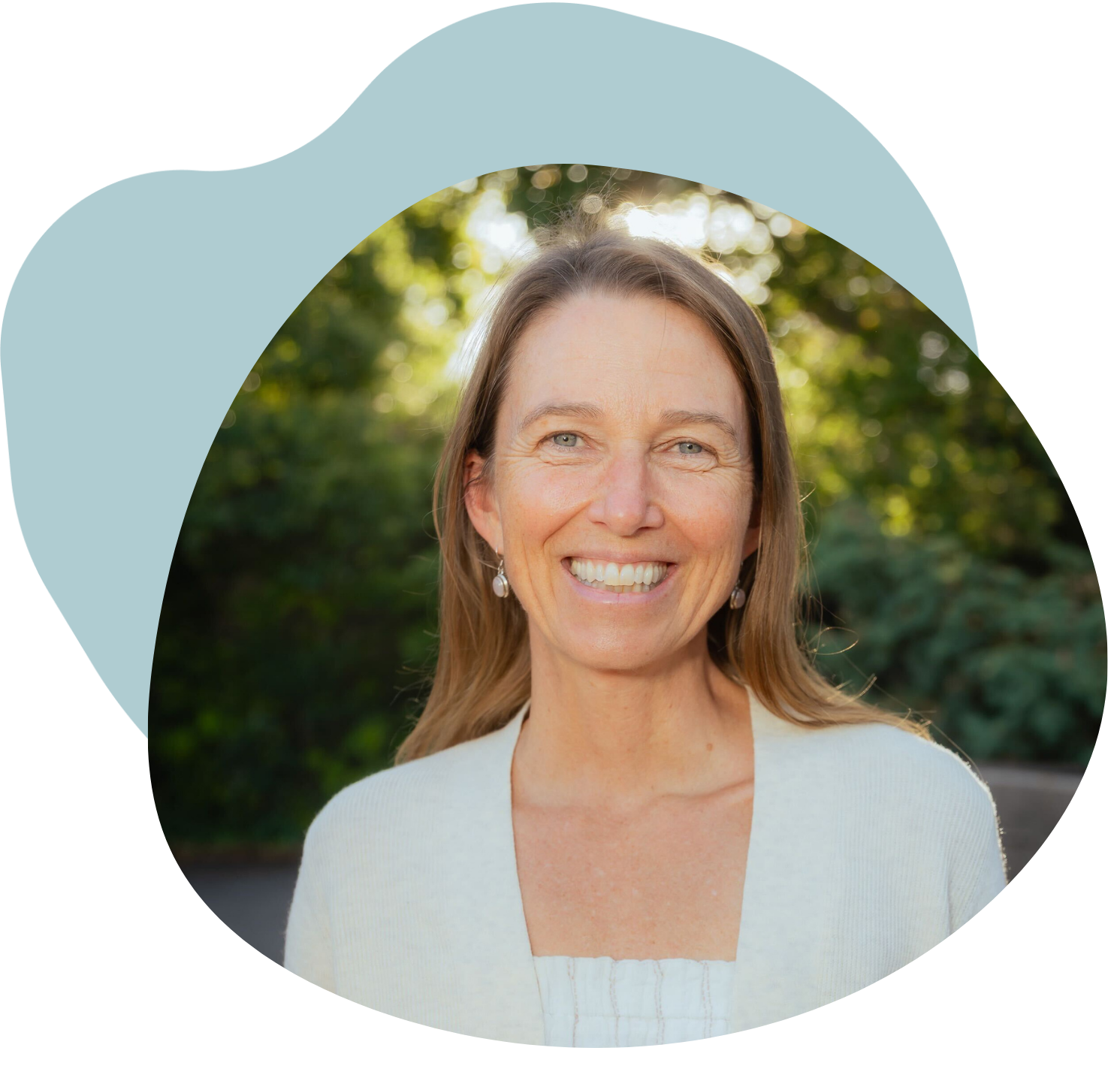
Alicia Brasch Co-Founder & Volunteer |
|
|
Thu, Dec 4, 2025 at 11am CT | 12pm ET | 9am PT (US) Join us for an inspiring and insightful workshop with Lisa Genova, the renowned neuroscientist and New York Times bestselling author of Still Alice, a novel based on familial Alzheimer's disease which was later turned into an Oscar-winning movie.
Submitted questions will be addressed first, followed by an interactive conversation with Lisa and the Youngtimers community. We hope you will be able to join us for this special event. This conversation is open to family members and researchers in the early Alzheimer's disease community. Please send questions to alicia@youngtimers.org
|
|
|
Let's Work Together To Bring The Patient Perspective Into Research |
Youngtimers is conducting an anonymous survey (~25 minutes) to gain a deeper understanding of how DIAD impacts patients and families, and provide guidance to the US FDA and researchers on how people with or at-risk of DIAD make decisions to join research studies and take disease-modifying therapies.
If you’re 18+ years old, reside in the U.S.A, and are impacted by DIAD (at-risk, carrier, caregiver, or family member), we encourage you to share your experience. The results will be completely anonymous and will help us provide your important voice and unique perspective on clinical trials and potential therapies for DIAD. |
|
|
Caregivers (All Stages): Sat, Nov 15 at 12pm CT (US) At-Risk/Asymptomatic: Sun, Nov 16 at 2pm CT (US) Symptomatic: Wed, Nov 26 at 4:30pm CT (US) Caregivers (Early Stage): Tue, Nov 18 at 3pm CT (US) |
| |
|
For more options, visit our support group page. It includes support groups from other organizations, such as a Spanish-speaking support group and groups for teens and young adults. |
|
|
“It is comforting, and great admiration to hear stories similar to mine. Knowing that people understand helps me.” |
- Youngtimers Support Group Attendee |
|
|
Despite 6–81% declines on amyloid PET, autopsies showed aducanumab mainly cleared amyloid in the superficial cortical layer, with persistent plaques in mid-to-deep layers. This underscores limits of PET imaging (surface-weighted signal) and the constraints of IgG anti-Aβ delivery (e.g. lecanemab, donanemab), motivating the use of biomarkers beyond PET and strategies that reach deeper tissue while managing ARIA risk. (The Lancet) |
|
|
Brain “support cells” (astrocytes) engineered with the protective APOE3-Christchurch variant pulled in more tau, broke it down better, and passed along less of it. They also showed shifts in fat-like molecules (lipids) linked to lower inflammation—pointing to potential treatments that boost astrocyte tau cleanup and lipid balance. (Alzheimer's & Dementia) |
|
|
Across 379 DIAN participants, becoming amyloid-positive happens on average ~14 years before symptoms in ADAD, but the pace of build-up varies—especially for some APP variants. That variability is why family-based EYO still outperforms amyloid-timing measures for predicting the first clinical changes. (Alzheimer's & Dementia) |
|
|
Give Hope With A Year-End Donation |
As we close out the year, we invite you to consider making an end of year donation to Youngtimers. Your support helps us empower families impacted by familial Alzheimer’s disease, expand community resources, and advance advocacy for research and clinical trials. Every gift, big or small, makes a meaningful difference in the lives of those we serve. Thank you for being part of our community. |
|
|
QUOTE
"There is no bubble of safety, no place that grants immunity from life's challenges and difficulties, but there is the haven of the heart, the love that flows through all of us. Whether we know it or not. There is a foundation, a center, a source. There's a presence inside us, inviting us into harmony and peace, even when the outside world is swirling with insecurity."
-Dana Fauls |
| |
|
Alzheimer's Research Opportunities |
|
|
Dr. Suzee Lee at UCSF is interested in understanding brain development in children from families with a history of Alzheimer’s disease. If you’re interested, contact the study coordinator at familyNDstudy@ucsf.edu. |
| |
|
The Dominantly Inherited Alzheimer Network (DIAN) is currently recruiting people who carry or may carry an FAD mutation to better study the disease and brain changes over time. If you’re interested, contact dianexr@wustl.edu. |
|
|
The DIAN-Trials Unit (DIAN-TU) is now enrolling participants who are -25 to -11 years from their predicted age of Alzheimer's cognitive symptom onset to test a study drug (remternetug) for effectiveness in delaying or preventing Alzheimer disease. If you’re interested, contact dianexr@wustl.edu. |
|
|
You are being sent this email because you are a subscriber.
If you wish to update your Email Preferences or Unsubscribe, click *{{Unsubscribe}}* |
|
|
|