The Disease
What is Familial Alzheimer's?
Types of Alzheimer's
Genetics
Symptoms
Diagnosis
Available Treatments
Investigational Therapies
Cost
Guides & Resources
Overview
Genetic Testing
Participating in Research
Caregiving
Legal & Financial Planning
Family Planning
Talking with Kids
Brain Health
Mental Health
→ All Resources
Community
Overview
Newsletter
Events
Support Groups
Peer-to-Peer Program
Online Communities
Stories
About Us
Our Organization
Our Impact
Our Newsletter
Our Partners
Contact Us
Search
Donate

Youngtimers

The Disease
What is Familial Alzheimer's?
Types of Alzheimer's
Genetics
Symptoms
Diagnosis
Available Treatments
Investigational Therapies
Cost
Guides & Resources
Overview
Genetic Testing
Participating in Research
Caregiving
Legal & Financial Planning
Family Planning
Talking with Kids
Brain Health
Mental Health
→ All Resources
Community
Overview
Newsletter
Events
Support Groups
Peer-to-Peer Program
Online Communities
Stories
About Us
Our Organization
Our Impact
Our Newsletter
Our Partners
Contact Us
Search
Donate
  • Newsletters
  • April 2026
  • March 2026
  • February 2026
  • January 2026
  • December 2025
  • November 2025

Taking a lesson from my daughter's 3rd grade teacher: find the good.

March 2026 Newsletter

We support people impacted by familial Alzheimer’s disease with community, education and advocacy.

Donate Now

Hi *{{Informal Name}}*,

Here in the midwest, we’re experiencing what we call ‘fake Spring’. It happens about 4 times each year. The snow melts, the temps warm up, we go outside in our shorts and t-shirts when it’s 50 degrees, and then… the snow and cold return to torture us just a bit longer. While many people complain about this weather pattern, I’ve decided to take a page from the handbook of my daughter’s 3rd grade teacher instead.

Each Friday, their classroom participates in something called “Find The Good Friday”. It’s a wonderful way to teach positivity and resilience in young kids. 

I’ve made it my mission this year to find the good–not just on Fridays, but every day. Some days this is much harder than others, and some days a simple ray of sunshine can brighten my spirits.

Our community has been a warm embrace during these cold winter months. Each week, I get to speak with people who are resilient, hopeful, and brimming with positivity. It’s truly inspiring. In a world where things can feel heavy, our community has come together to lift each other up and provide support. This safe, comfortable space is a beautiful gift, and I feel grateful every day to be a part of it. 

My challenge to you: find something good today. Whether it’s a bird greeting you outside your window, a smile from a loved one, or the quiet stillness of a morning cup of coffee, take a second to let it register. It’s easy to let the 'fake Spring' slush get us down, but when we actively hunt for the light, the wait for the real Spring doesn't feel quite so long.

I’d love to hear what you found this week that’s good. Join me on Thursday for Coffee with Courtney, or shoot me an email. Let’s fill our corner of the internet with a little extra sunshine while we wait for the real thing to arrive.

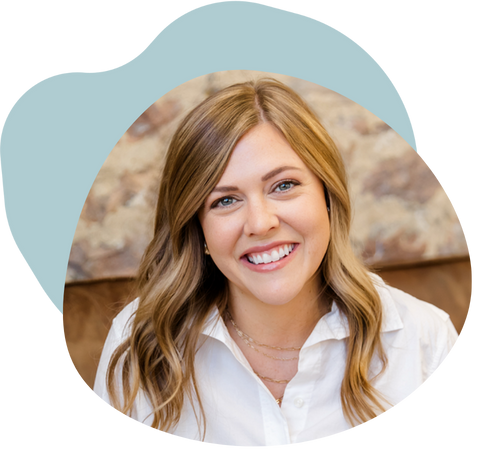
Courtney Middendorff

Program Manager

View this email in your browser | Did someone forward this? Subscribe now.

Upcoming Events

Learning One's Genetic Status: The Long-Term Impact

Thur, March 19, 2026 at 11am CT | 12pm ET | 9am PT (US)

Have you ever considered genetic testing and wondered how a positive DIAD mutation result might affect life over time?

Jetske Van der Schaar, MSc and PhD candidate, surveyed members of the DIAN community to better understand the long-term personal impact of genetic testing. Join us as she shares key insights from this important research, including how individuals experience and navigate life after learning their genetic status.

We’ll leave time at the end for open discussion and questions about genetic testing. We hope to see you there!

Learn More & Register
 

Congratulations Dr. Bateman!

The Alzheimer’s Drug Discovery Foundation (ADDF) has awarded the prestigious 2026 Melvin R. Goodes Prize to Dr. Randy Bateman for his pioneering work in Alzheimer’s diagnostics and clinical trials.

Dr. Bateman is recognized for leading the development of the first widely available blood test for Alzheimer’s disease. This award highlights his ongoing commitment to using innovative technology and clinical research to accelerate the path toward effective treatments and prevention.


Upcoming Support Groups

Caregivers (All Stages): Sat, Mar 21 at 12pm CT (US)

At-Risk/Asymptomatic: Sun, Mar 15 at 2pm CT (US)

Symptomatic: Wed, Mar 25 at 4:30pm CT (US)

Caregivers (Early Stage): Tue, Mar 17 at 3pm CT (US)

Join a Youngtimers Support Group
https://www.youngtimers.org/support-groups

For more options, visit our support group page. It includes support groups from other organizations, such as a Spanish-speaking support group and groups for teens and young adults.


“Attending our support group is paramount and part of our monthly planning. We reserve the time and day in advance and look forward to sharing with our virtual friends not only our trials but our laughs and joys. The sense of community, belonging, understanding and empathy is incomparable.” 

- Youngtimers Community Member


In Alzheimer's News

Estimating When Symptoms May Start Using p-tau217 From a Blood Draw

Blood tests for p-tau217 have been available for a while, but this new study shows that %p-tau217 (the ratio of phosphorylated tau to non-phosphorylated tau) can be used in “clock models” to estimate time to symptom onset with about a 3–4 year margin of error. The authors stress this isn’t precise enough for personal forecasting yet, but it could help prevention trials enroll people who are most likely to develop symptoms within the study window. (Nature Medicine)

Aβ42/40 Blood Test Can Predict PET Conversion—But Not Reliably in Familial Alzheimer’s

This study shows that a low plasma Aβ42/40 ratio can help predict who will go from amyloid PET-negative to PET-positive in largely late-onset Alzheimer’s research cohorts. Critical FAD caveat: in autosomal-dominant FAD (APP/PSEN1/PSEN2), Aβ biology can run in the opposite direction (including higher Aβ42:40 as shown in this research), so applying these late-onset cutoffs to mutation carriers may mislead families and clinicians. (The Journal of Prevention of Alzheimer's Disease)

Connecting the Dots: Amyloid, Tau, and the Brain’s Energy Use in FAD

This study examined PSEN1 E280A carriers and relatives, pairing amyloid PET, tau PET, and FDG-PET to see how protein buildup relates to brain metabolism. The results highlight specific regions (like inferior temporal areas) where metabolism may act as a bridge between pathology and memory decline - pointing to more specific early markers that could strengthen trial outcomes and monitoring. (Brain Communications)


Staying Informed: Alzheimer's Advocacy Tracker

Stay informed and take action with this updated legislative tracker, which monitors key bills affecting the US Alzheimer’s community. This resource allows you to follow the progress of essential policies and see where your representatives stand on issues that matter most to us. 

View the Tracker

This Month's Inspiration

COMMUNITY SPOTLIGHT

Congrats to Scott Brechtel of Illinois, who has been named the 2025 Citizen Scientist Cornerstone Award Elevated Honoree by the Global Alzheimer’s Platform Foundation!

This prestigious award recognizes Scott’s outstanding dedication to clinical research and his vital role in advancing the fight against familial Alzheimer’s disease. We are incredibly proud to have such a dedicated advocate representing the Youngtimers community! 

Watch the clip

BOOK

The Invisible String

A recommended book for children who are struggling with anxiety, loss or grief

By Patrice Karst


Alzheimer's Research Opportunities

Brain Development Study

Dr. Suzee Lee at UCSF is interested in understanding brain development in children from families with a history of Alzheimer’s disease. If you’re interested, contact the study coordinator at familyNDstudy@ucsf.edu.

Learn More 

DIAN Observational Study

The Dominantly Inherited Alzheimer Network (DIAN) is currently recruiting people who carry or may carry an FAD mutation to better study the disease and brain changes over time. If you’re interested, contact dianexr@wustl.edu.

Learn More 

Primary Prevention Clinical Trial

The DIAN-Trials Unit (DIAN-TU) is now enrolling participants who are -25 to -11 years from their predicted age of Alzheimer's cognitive symptom onset to test a study drug (remternetug) for effectiveness in delaying or preventing Alzheimer disease. If you’re interested, contact dianexr@wustl.edu.

Learn More 

*{{Organization Address}}*

Youngtimers.org

YouTubeFacebook XInstagramLinkedIn

Our work is supported by

You are being sent this email because you are a subscriber.

If you wish to update your Email Preferences or Unsubscribe, click *{{Unsubscribe}}*


Youngtimers

Supporting those impacted by familial Alzheimer’s disease with community, education and advocacy

PO Box 151035
San Rafael, CA, 94915

info@youngtimers.org

Get our monthly newsletter

Thank you!
Back to Top
Questions or Feedback?
Become a Volunteer
Policies
Privacy Policy
Terms of Use
Participation Waiver
Contact Us

The information, documents, and resources on this website are for informational purposes only. They are not a substitute for professional medical advice, diagnosis, or treatment. Always talk to a qualified healthcare provider about any medical concerns. Youngtimers does not provide medical care, and nothing on this site should be interpreted as medical or therapeutic guidance.

© 2026 Youngtimers, Inc. All rights reserved. | www.youngtimers.org