Beyond the Brain: Mental Health in the FAD Community |
|
|
|
We support people impacted by familial Alzheimer’s disease with community, education and advocacy. |
|
|
|
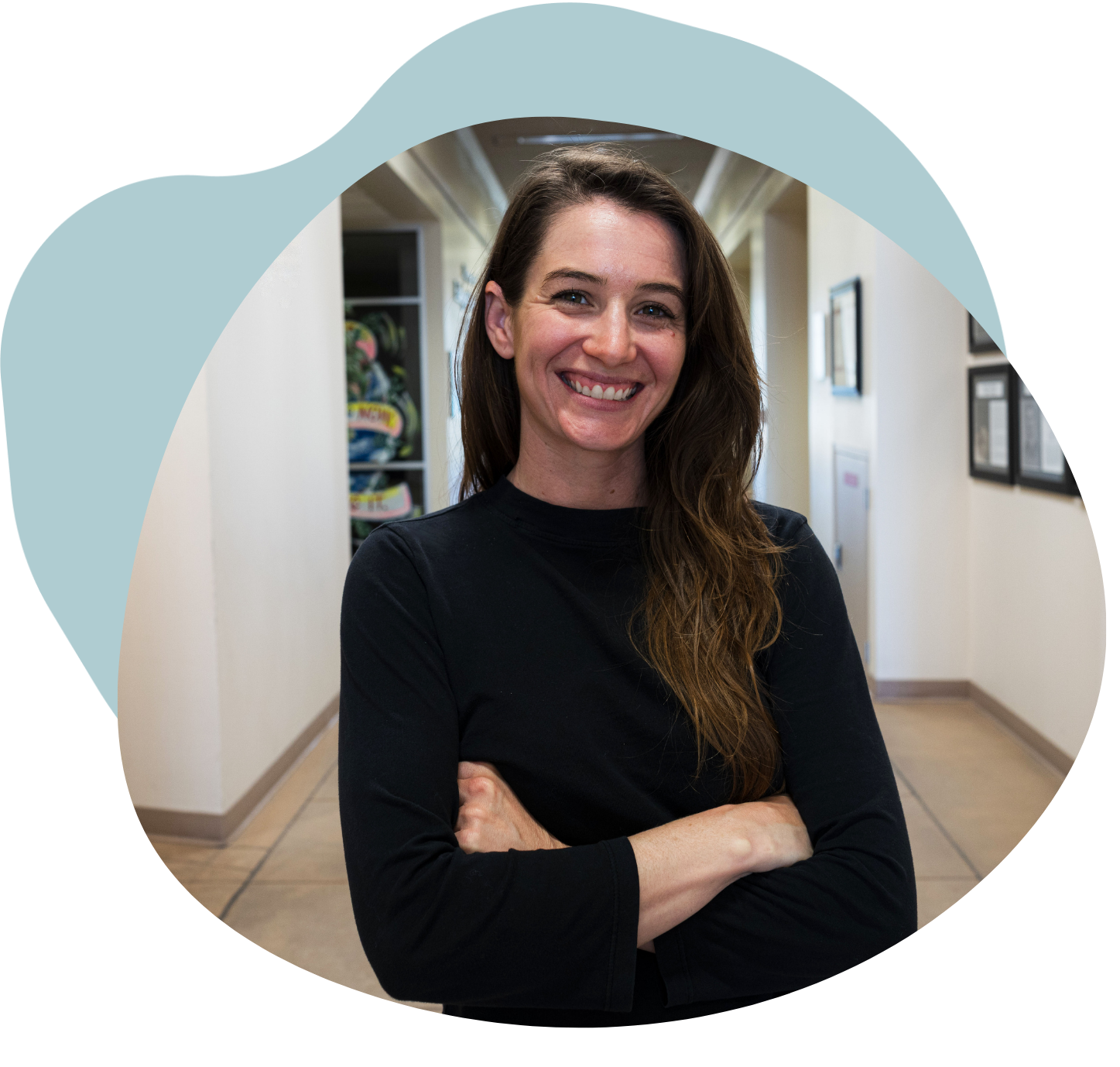
Hi there,
As a neuroscientist, I’ve spent twenty years believing that finding the cure was the most important thing you could do for a person facing familial Alzheimer’s disease (FAD). And while I have every hope that a treatment will arrive in the next five years, I now realize that it’s a disservice to our community to focus exclusively on finding treatments.
For a person in a family with FAD, the disease’s impact is felt long before they’re diagnosed. It often begins with watching a parent or grandparent become ill, with deciding whether to learn their genetic status, and with years of planning, caregiving, and waiting. These experiences take a real emotional toll. Even so, the mental health side of FAD is often the part that we talk about least.
That is why this month’s newsletter is dedicated to mental health. We hope it makes these conversations a little easier to start, and that everyone in our community knows where to turn for support when they need it. Youngtimers, it’s so often said, is a group where you don’t have to explain it all; others understand.
In this issue, we share more about the DIAN Mental Health Initiative, along with information on support groups for individuals and families affected by FAD. We also want to remind you that Youngtimers keeps a provider database of mental health providers familiar with FAD located across the country. Finally, we are sharing a research opportunity for caregivers of newly diagnosed individuals. Caregivers carry so much, often quietly. Studies like this one help make sure their experiences are understood and their needs are taken seriously.
Wherever you are right now, whether you are at risk, living with symptoms, or caring for someone you love, please know that you are not alone. Taking care of your mental health is one of the most important ways we can take care of each other. |
|
|
|
| Lindsay
Co-Founder and Executive Director |
|
|
|
Wednesday, February 24 | 11:00am CT What drives familial Alzheimer’s disease? Why do symptoms begin when they do? How does the disease progress over time? And why can the experience look so different from one genetic mutation to the next?
Join us for a live virtual conversation with Prof. Bart De Strooper, a world-renowned Alzheimer’s researcher and founding director of the UK Dementia Research Institute, to learn about all this and more. |
|
|
|
Mental Health Support for DIAN Participants |
Participation in a clinical trial can raise complex questions and emotions. Participants may be weighing genetic testing, have reservations about joining a trial, or be carrying the weight of what this disease means for their family. Navigating family dynamics adds another layer. Access to informed, compassionate support can make a meaningful difference.
Through the Mental Health Initiative, DIAN trial and DIAN Observational study participants can receive up to six therapy sessions, covered by DIAN. Every provider has been vetted by our team and understands familial Alzheimer’s disease, so you can spend your sessions on what you need instead of explaining the disease. Providers are located across the country, and we are expanding to global sites as well.
To learn more or get connected, reach out to your site coordinator or the DIAN Expanded Registry at dianexr@wustl.edu. |
|
|
|
NEW!
Clinical Trial: Thurs, Nov 19 at 3:30pm CT (US) Caregivers (All Stages): Sat, Nov 21 at 12pm CT (US)
At-Risk/Asymptomatic: Sun, Nov 15 at 2pm CT (US) Symptomatic: Wed, Nov 25 at 4:30pm CT (US) Caregivers (Early Stage): Tue, Nov 17 at 7pm CT (US) |
|
| |
|
For more options, visit our support group page. It includes support groups from other organizations, such as a Spanish-speaking support group and groups for teens and young adults. |
|
|
|
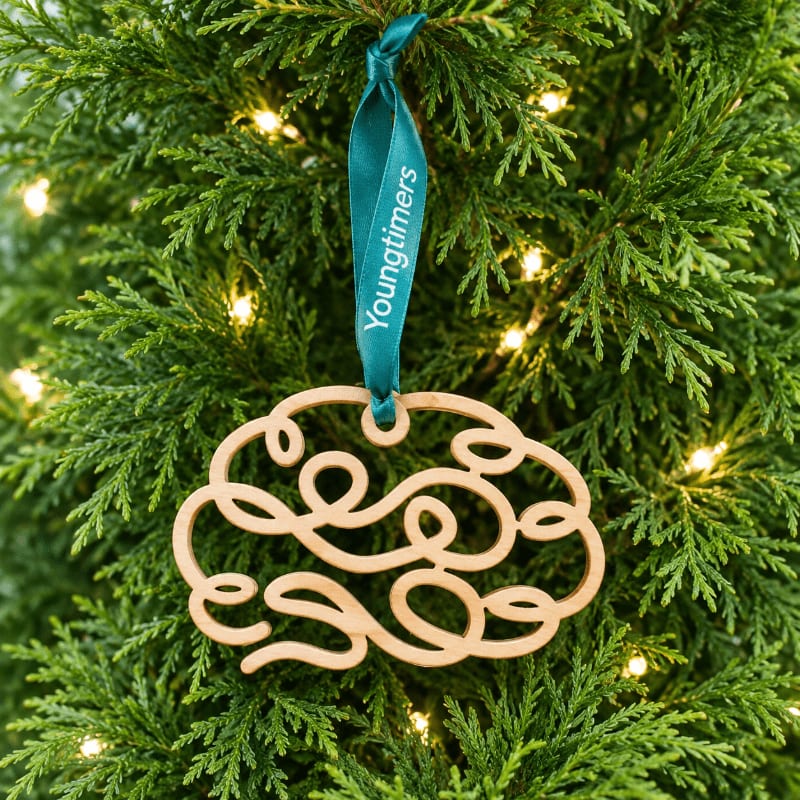
This holiday season, send someone you love a Youngtimers ornament representing FAD families, our community, and our shared hope for prevention.
With a $35 donation, we'll mail a custom Youngtimers ornament tucked inside a greeting card to anyone you choose in the United States. Orders are open now. Shipping begins Dec 5. Dec 15 is the last day to order for delivery before Christmas in the States. |
|
| |
|
Researchers tracked 130 blood biomarkers in patients with symptomatic, predominantly sporadic Alzheimer’s receiving lecanemab, finding significant shifts in 34 of them. While abnormal tau markers reduced toward normal, other immune and synaptic markers diverged, illustrating a complex biological response. These findings bring clinicians closer to using multi-marker blood panels to track treatment efficacy and possibly predict patient-specific outcomes. (The Lancet Neurology)
|
|
|
| Researchers followed a symptomatic 34-year-old with a PSEN1 mutation, finding reductions in several disease-related blood biomarkers and amyloid in specific brain regions after a year of lecanemab treatment. While this was not a prevention trial and involved only one patient, the findings provide encouraging evidence that anti-amyloid treatment can affect disease biology even in aggressive forms of inherited Alzheimer’s. (Alzheimer's & Dementia) |
|
|
|
A group of leading Alzheimer’s researchers challenged a major review that concluded anti-amyloid drugs provide little clinical benefit, arguing that combining older, less effective drugs with newer treatments such as lecanemab and donanemab obscures their demonstrated benefits. Their critique emphasizes the importance of distinguishing between different generations of treatments as researchers work toward increasingly effective - and potentially preventative - approaches. (Alzheimer's & Dementia)
|
|
|
|
VIDEO
In Our Lifetime - Part 2: The World is Watching Hear from DIAN researchers and a participant on how families with dominantly inherited Alzheimer’s are leading the way to prevention, including the first clinical evidence that removing amyloid may delay or prevent the disease. |
|
| BOOK
The Vanishing Family
by Robert Kolker The story of a Pennsylvania family of nine siblings who inherit a genetic mutation that causes frontotemporal dementia (FTD), and the scientific search for a breakthrough that could advance prevention and treatment.
|
|
|
|
Familial Alzheimer's Disease Research Opportunities |
|
|
|
A short-term program for newly diagnosed patients with young onset cognitive impairment or dementia and their care partner. Designed to help support you and your care partner as you manage this diagnosis together. Learn more by emailing mghresilienttogetheryod@mgb.org |
|
| |
|
“You are all at the heart of what we’re doing and without you we wouldn’t be able to do any of this. Thank you for helping us to move science forward.” |
— Dr. Ross Patterson, FRCP, PhD, University College London |
|
|
|
You are being sent this email because you are a subscriber. If you wish to update your Email Preferences or Unsubscribe, click *{{Unsubscribe}}* |
|
|
|